
For many parents, one of the most common questions is: “What is the best age for a child to start daycare?” or “What’s the best toddler age for daycare?”. Should your child begin as a baby, toddler, or closer to preschool age? The answer isn’t always straightforward because every child develops at their own pace.
Choosing the right time can influence your child’s social skills, emotional resilience, independence, and learning readiness. Some children thrive when introduced to group settings at a younger age, while others benefit from waiting until they’re more emotionally mature.
Although there is no one “best age” for every child, child development specialists usually concur that there are recommendations to assist parents in making well-informed selections.
Still unsure when to begin? Contact us today to talk with our family day care experts in Brisbane about your child’s readiness.
Understanding Developmental Milestones Before Daycare
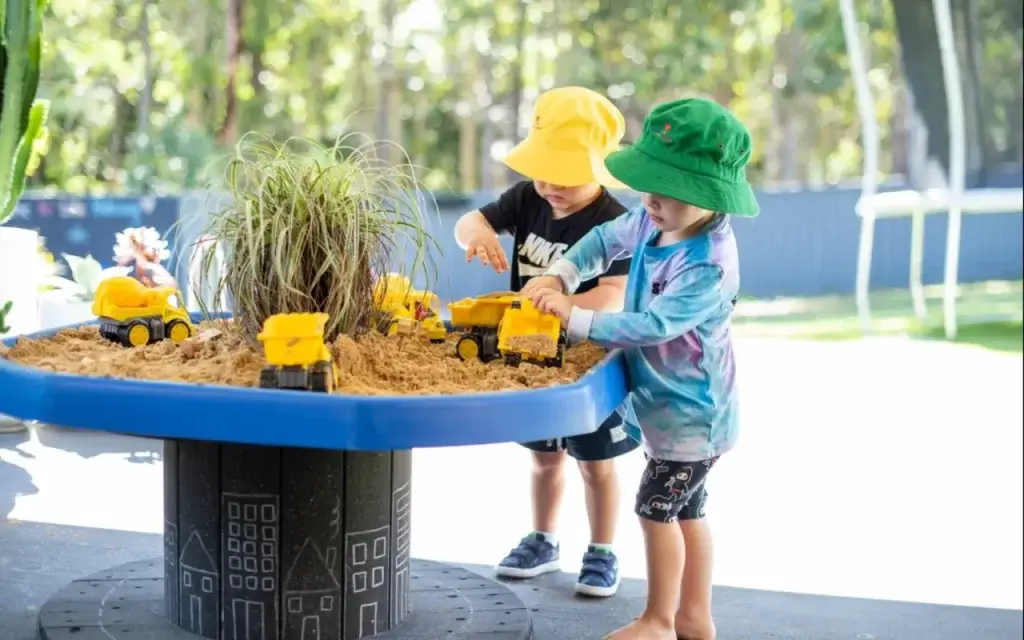
Parents often ask, “How do I know if my child is ready for daycare?” While age is essential, readiness is better measured by developmental milestones. Some key indicators include:
- Emotional Readiness – Can your child separate from you without severe distress? Mild separation anxiety is normal, but a child who calms with reassurance may be ready.
- Basic Communication – Simple words, gestures, or pointing can help them express needs like hunger, thirst, or discomfort.
- Self-Help Skills – Skills such as finger feeding, basic toileting awareness, or holding a cup can ease their daycare experience.
- Adaptability to Routine – Children who can follow a predictable daily rhythm (nap, meals, playtime) often transition more smoothly.
While some parents worry about what skills a child should have before starting daycare, keep in mind that children aren’t expected to be fully independent. Instead, gentle exposure to structured play, such as simple and easy art projects or story time, can make the transition smoother.
Check our WFDC Service Information to see what’s expected when enrolling your child.
Starting Early (6 Months to 2 Years)
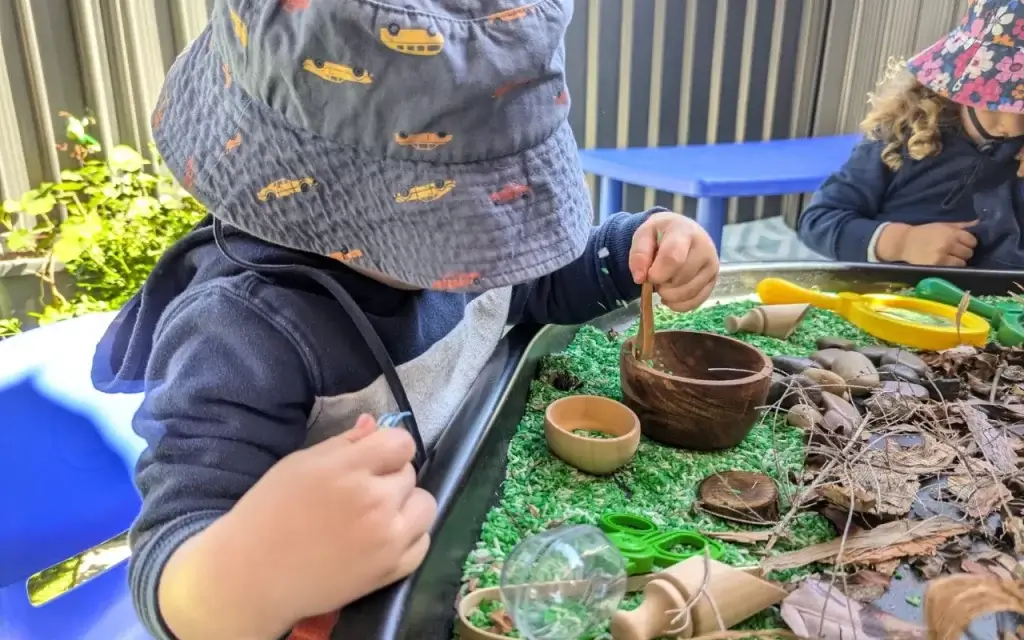
Another common concern is whether 6 months or even 1 year is too early for daycare. Some families consider family day care for infants, and while this can work well in certain circumstances, it comes with unique considerations.
Pros of Starting Early:
- Early Social Exposure – Babies become familiar with different faces, sounds, and environments, which can help them adjust to group settings more smoothly in the future.
- Adaptability – Children who are used to structured routines from a young age often find transitions, such as moving to preschool or kindergarten, less stressful.
- Flexible Bonding – Infants may build secure attachments with multiple caregivers when care is consistent and nurturing, which can support emotional development.
- Parent Flexibility – For working parents, early daycare can provide peace of mind and allow them to balance careers or other responsibilities while knowing their child is in a safe environment.
- Language & Cognitive Stimulation – Exposure to songs, conversations, and interactions with caregivers from infancy may support early language skills and brain development.
Cons of Starting Early:
- Higher Risk of Illness – Infants are more susceptible to ear infections, colds, and other ailments in a group environment because their immune systems are still growing.
- More substantial Attachment Challenges – Babies may find prolonged separation from parents more difficult, especially in the early bonding stages, which can cause stress for both child and parent.
- Dependency Needs – Infants need constant attention for feeding, diapering, sleep, and comfort. If the daycare is not well-staffed or experienced with babies, these needs may not be met as consistently as at home.
- Sleep Disruptions – Babies often need multiple naps throughout the day, and the daycare environment might not always provide the same quiet, individualised sleep routine they’re used to at home.
- Limited Individualisation – While family day care may offer more personalised care than large centres, infants may not always receive the same one-on-one attention as they would at home with a parent.
Learn how our sustainability children’s activities gently engage babies and toddlers while keeping care natural and nurturing.
Starting in the Toddler Years (2 to 3 Years)

For many families, the toddler years strike the best balance. Parents often wonder, “Is two a good age to start daycare?” Research and experience show this is usually an ideal time.
Why 2–3 Years Works Well:
- Language & Social Growth – Toddlers rapidly learn new words, sentences, and social behaviours through peer interaction.
- Balanced Independence – They can play independently while still seeking reassurance from caregivers.
- Easier Adaptation – Compared to infants, toddlers often transition more smoothly into group care.
Challenges like tantrums and occasional separation anxiety can occur, but with experienced educators and structured routines, toddlers usually adjust quickly.
At this age, children benefit most from interactive play and hands-on activities. For example, engaging in recycling activities for preschoolers or outdoor group play helps toddlers explore teamwork and responsibility in fun, age-appropriate ways.
Meet our educators – visit the Educators & Locations page
Starting at Preschool Age (3 to 4 Years)
Some parents hold back and ask, “Is it better to start daycare at 3 or 4?” Waiting until preschool age comes with benefits, especially for children who thrive on structure and are developmentally ready for more formal learning experiences.
Why 3–4 Years Can Be Ideal
- School Readiness – At this stage, children are capable of following daily routines that mirror kindergarten or prep, such as structured play, group learning, and set mealtimes. This consistency helps them transition more smoothly into formal schooling.
- Self-Regulation – By ages 3 to 4, many children have developed stronger emotional and behavioural control. They can share, take turns, and express feelings with words, which makes navigating social dynamics in a group environment easier.
- Active Participation – Older children are more confident communicators. They thrive in storytelling sessions, group games, arts and crafts, and imaginative play. This engagement fosters creativity, problem-solving, and teamwork.
- Stronger Independence – Many children at this age are toilet-trained, can eat with minimal assistance, and enjoy trying things on their own. This independence builds confidence and reduces stress for both the child and the caregivers.
- Enhanced Social Skills – Preschool-aged children are better equipped to form friendships and understand social cues. These early peer connections can become a foundation for positive attitudes toward learning and collaboration.
The trade-off is that children starting later may miss early opportunities for socialisation. This can mean a slightly bumpier adjustment at first, but with supportive educators, most children adapt quickly.
Preschoolers also benefit from structured learning goals. Exposure to activities like what children learn in preschool—such as early numeracy, problem-solving, and group collaboration—ensures they’re prepared for the classroom years ahead.
See how our educators align with preschool educational goals to ensure children are ready for the next stage.
Factors That Matter More Than Age

Parents sometimes worry, “What if my child doesn’t fit the typical age recommendations?” The truth is, age is only part of the equation.
Other Important Factors:
- Temperament – Some children are naturally adaptable, while others need more time.
- Family Needs – Work schedules, support systems, and lifestyle play a role.
- Quality of Care – A nurturing environment matters more than age alone.
- Health Considerations – Medical needs may affect the timing of entry.
In many cases, the learning environment makes the most significant difference. A supportive, stimulating setting like a family day care can foster growth and confidence at any age. For example, our learning environment in early childhood education focuses on play-based exploration, independence, and collaboration.
Please find out how we foster independence and collaboration through social learning in preschoolers.
Age & Readiness Checklist for Parents

If you’re still wondering, “Does starting earlier or later make a difference in development?” the answer is—it depends on your child. A simple readiness checklist can help guide your decision.
✅ Can my child follow a basic daily routine (meals, naps, play)?
✅ Do they have simple communication skills to express needs?
✅ Are they comfortable being around other children?
✅ Can they manage short separations from me?
✅ Am I confident in the caregiver’s qualifications and approach?
If most of these boxes are ticked, your child may be ready for family day care—whether they are 1, 2, or 3 years old.
Learn more about our family day care services and how we support children of all readiness levels.
Making the Right Choice for Your Child’s Daycare Journey
There isn’t a universal “perfect” age to start daycare. For some families, 1 a 1-year-old works best. Others find age 2–3 to be the sweet spot for learning and social growth. Still, many wait until age 3–4 for smoother school readiness.
Ultimately, the decision should reflect your child’s developmental stage, personality, health, and family needs. With the right environment, children can thrive at any entry point.
Talk to us about finding the right time for your child to start family day care in Brisbane. We’ll help you assess readiness and ensure a smooth transition.
