
Social learning is a cornerstone of early childhood development. It equips children with the ability to understand others, build relationships, communicate effectively, and function within a group. For preschoolers, these skills are essential as they form the foundation for future success in school and life. At Wynnum Family Day Care, we deeply value the importance of fostering social learning in a supportive, nurturing environment where each child feels safe, heard, and respected. Understanding how to foster social learning in preschoolers is key to helping them grow into confident, empathetic individuals ready to thrive in both school and everyday life.
In this blog post, we’ll explore what social learning is, why it matters, and how parents, caregivers, and educators can help preschoolers thrive through social interactions. You’ll also discover practical strategies to apply at home or in an early childhood education setting.
What Is Social Learning?

Social learning is the process through which children acquire new behaviors, attitudes, and emotional responses by observing and interacting with others. It encompasses skills like sharing, cooperating, empathizing, problem-solving, and understanding social cues. In early childhood, this learning often happens naturally during play, guided interactions, and routine daily activities.
Preschoolers are especially impressionable. During this stage, they begin to model the behavior of caregivers, peers, and adults around them. By providing consistent support, we can help them develop positive social habits that carry into adolescence and adulthood.
Why Social Learning Is So Important in Preschool
Social learning supports a child’s holistic development. It’s not just about getting along with others—it’s about cultivating emotional intelligence, resilience, and confidence. Through social learning, preschoolers learn:
- Empathy – Understanding how others feel and learning to respond with kindness.
- Communication – Expressing thoughts clearly and listening to others.
- Conflict Resolution – Navigating disagreements and finding fair solutions.
- Self-regulation – Managing emotions and behaviors in social settings.
Fostering these skills early builds a foundation for emotional well-being, academic readiness, and lifelong relationships. If you’re curious about how these aspects contribute to a child’s growth, you can read more about Children’s Holistic Development on our website.
How to Foster Social Learning in Preschoolers
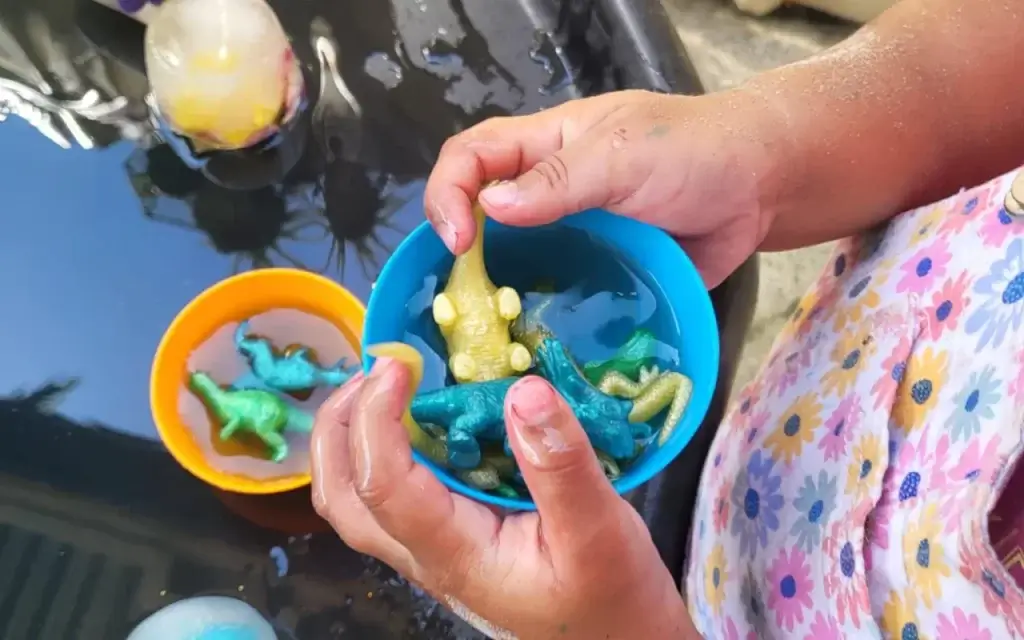
Fostering social learning doesn’t require fancy tools or structured lessons—it begins with intentional interactions and thoughtful guidance. Here are some effective strategies to encourage social growth in preschool-aged children:
1. Encourage Play-Based Learning
Play is the most natural and powerful way young children learn to socialize. Whether it’s building with blocks, playing dress-up, or pretending to run a store, these activities allow kids to:
- Practice taking turns
- Explore different roles
- Learn how to negotiate
- Resolve conflicts independently
Structured and unstructured play alike offer opportunities for children to interact, collaborate, and communicate. At Wynnum Family Day Care, we embrace play-based learning in early childhood to create rich, meaningful experiences where social skills flourish.
2. Model Positive Behavior
Preschoolers learn by watching adults. When caregivers model respectful communication, patience, and empathy, children absorb and imitate these behaviors. Simple actions such as saying “please” and “thank you,” acknowledging others’ feelings, or calmly resolving disagreements demonstrate the social behaviors we want to nurture.
Be mindful of how you handle frustration, express emotions, and treat others. Even casual conversations between adults serve as learning moments for young children.
3. Create Inclusive Group Activities
Designing activities that require teamwork can promote a strong sense of community and cooperation. Consider games or crafts that encourage collaboration, like:
- Building a group mural
- Putting together a puzzle as a team
- Participating in a circle game where each child takes a turn
These shared experiences not only develop social skills but also foster a sense of belonging and connection among children.
4. Talk About Emotions
Preschoolers are still learning to identify and articulate their feelings. Help them build an emotional vocabulary by naming and discussing emotions regularly. For instance:
- “It looks like you’re feeling frustrated. Do you want help?”
- “That made you really happy! I can see it in your smile.”
Books and storytelling are also great tools for this. Choose stories that focus on emotions and social situations, then discuss them together. Encourage your child to think about how characters felt and what they might do differently.
LEARN HOW WE PROVIDE HOLISTIC FAMILY DAYCARE SUPPORT
Promote Empathy Through Everyday Experiences
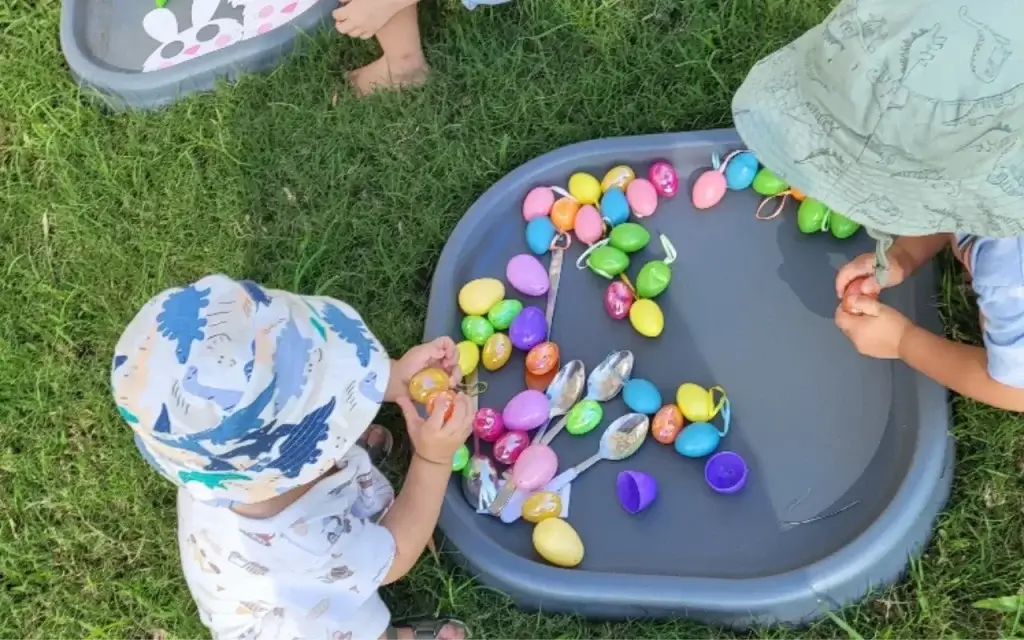
Teaching empathy begins with creating opportunities for children to consider others’ feelings. This can be as simple as asking:
- “How do you think your friend felt when that happened?”
- “What could you do to help them feel better?”
Role-playing scenarios and reading books about friendship, kindness, and inclusion can further support this goal. Empathy allows children to build stronger relationships and fosters a more compassionate worldview.
Use Praise and Positive Reinforcement
When children exhibit positive social behavior, acknowledge it. Praising a child for sharing or helping a friend encourages them to repeat the behavior. Use specific praise such as:
- “I really liked how you helped your friend when they were sad.”
- “Great job taking turns with the crayons!”
This reinforces the idea that kind and cooperative actions are valued and appreciated.
Maintain Consistent Routines
Predictable routines provide a sense of security and reduce stress, helping children focus more on learning and connecting with others. When children know what to expect, they can better manage their emotions and interactions.
Build routines that include time for social interaction—group meals, shared storytime, outdoor play, and clean-up sessions—all of which can promote teamwork and communication.
LEARN HOW WE NURTURE YOUNG MINDS AT WYNNUM FAMILY DAY CARE
Be Patient and Give It Time
Remember, social learning is a process that unfolds over time. Every child develops at their own pace. Some may quickly adapt to group play, while others may need extra support and encouragement. Be patient, celebrate small successes, and provide a nurturing environment where children feel safe to grow.
Affordable and Nurturing Childcare That Supports Social Growth
At Wynnum Family Day Care, we specialise in nurturing social learning through play-based, holistic approaches in small group settings. Our educators create warm, inclusive environments where every child feels supported in their unique journey.
We also understand that families need childcare that fits their budget. Learn more about our flexible and transparent daycare prices that make quality early education accessible to more families in our community.
KNOW WHAT PARENTS SHOULD KNOW ABOUT THE EARLY CHILDHOOD EDUCATION
Supporting Your Child’s Social Journey
Fostering social learning in preschoolers is about more than just teaching manners—it’s about guiding children as they learn how to connect with others, express themselves, and contribute to their world. With the right support from both families and educators, preschoolers can develop the confidence and empathy they need to thrive now and in the future.
If you’re looking for a childcare provider that prioritises meaningful social development alongside academic and emotional growth, we at Wynnum Family Day Care are here to help. Our holistic, play-based approach supports each child’s unique path, preparing them for a future filled with strong relationships, resilience, and joy.
CONTACT US FOR WYNNUM FAMILY DAY CARE AND EDUCATION SERVICE DETAILS
